







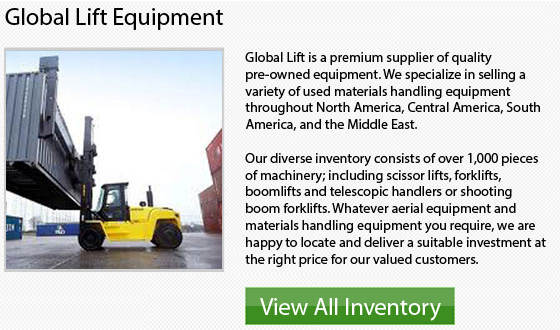
For companies that lift and transport heavy materials and merchandise on a regular basis, there is probably no more effective or valuable machinery as the forklift. Forklifts are a common site in distribution depots, lumber yards, manufacturing plants, dockyards, agriculture, warehouses, shipping and receiving and other work places that require to deal with loads ranging from 3000 to 30,000 plus lbs.
The forklift is used most often to keep the flow of operations running as smoothly and efficiently as possible. Though forklifts are a huge investment, the amount of man hours they could save and the injuries they reduce from heavy lifting could make the purchase pay for itself in little time.
On the market today are numerous of different units from a lot of different manufacturers. These different models are made particularly to handle some particular jobs. In order to make sure that you don't buy the wrong type of equipment or purchase more than you require, it is important to assess your company's needs and compare to the different units on the market. Speaking with a qualified forklift distributor is a very good idea and so is doing your own research online.
When looking at forklifts by fuel type, the following types are available:
Electric: Electric lift trucks use heavy, large, rechargeable batteries that are lead-acid based. These batteries could run for about 5 or 6 hours straight. Electric units are ideal for indoor applications because of their lack of emissions. They are a popular choice for warehouses and retail spaces as they provide a fairly low cost per hour of operation and put zero emissions into the air where people are working.
Internal Combustion: The IC engine works on a range of different fuels like CNG or compressed natural gas, others take diesel, LP or liquid propane or gasoline. When compared to electric forklifts, the internal combustion or IC models accelerate faster, are easier to refuel and can carry heavier loads. These models are usually more expensive to operate compared to their electric counterparts.
Fuel Cell: The latest in forklift technology is the Hydrogen fuel cell. These models provide the fast refueling capability of an IC unit but provide the zero emissions and quietness of electric forklifts.
There are a range of outdoor Nissan units that offer synchronized steering. This particular feature automatically returns the wheel knob to the original position after completing a turn. Equipped with solid pneumatic tires to offer a comfortable ride both indoors and outdoors, these tires are more resistant to both damage and wear.