


Regardless if you are thinking of expanding your business fleet of lift trucks or if you are just beginning with your very first lift truck, the number of choices that go into choosing a used or new forklift can really be overwhelming. There is such a wide array of choices like electric models, internal combustion or IC engines or the newest hybrid lifts. Making time to know all your needs and get what you want out of your machinery so as to facilitate loading and unloading applications for your dock or warehouse is truly crucial.
The upfront expenses are of course a major consideration when making a huge purchase. The long term operating costs of the lift truck also need to be considered. Like for instance, bear in mind that your largest cost in this category is going to be the fueling expenses connected with using your lift truck.
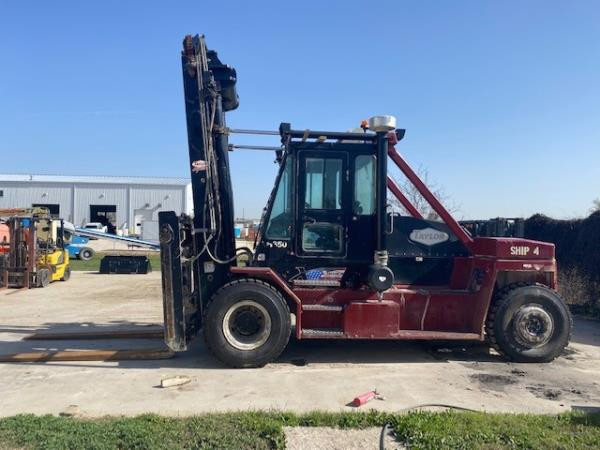
Diesel forklifts provide some of the cheapest operating and fuel costs amongst internal combustion lift trucks available on the market. These forklifts can out-power and out-lift your typical electric forklift without difficulty.
Similar to all lift truck varieties, there are various advantages and disadvantages connected with diesel forklifts. The following is a brief guide for purchasing diesel lift truck models in order to help you cut through the confusion and help determine the unit best for all your needs. If you know about the possible pitfalls, you will be prepared to make an educated purchase.
More than likely the largest advantage enjoyed with diesel forklifts is their low operating cost. Usually, diesel is the cheapest fuel alternative for internal combustion lifts. Though electric lifts are cheaper in the long run, they don't necessarily work the best outdoors.
Conversely, while diesel lift trucks are ideal for outdoor applications, they can't be used correctly indoors. The emissions from a diesel units can be dangerous if not ventilated correctly in an indoor warehouse. In addition, diesel forklifts are a lot louder than their emission-free electric counterparts.