
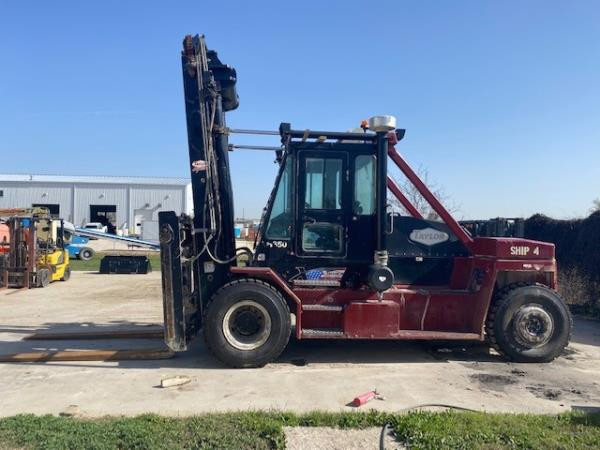

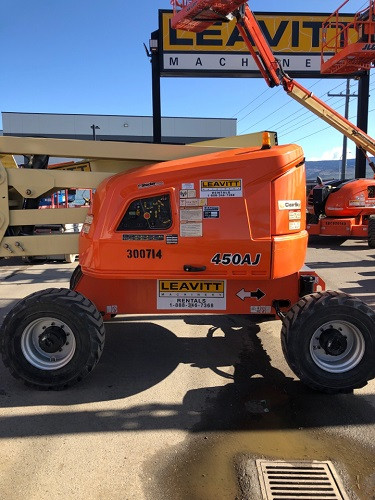


The forklift truck is an extremely large and powerful machine able to operate smoothly and efficiently, raising and transporting items in material handling orientated tasks. Lots of components should be replaced on regular basis because of breakages and damages.
Forklifts are very versatile machinery. A range of different accessories could be fitted onto the machines in order to increase their capabilities and expand the jobs they are often able to complete. Several of the key different forklift parts and accessories are described below.
Fork Extensions
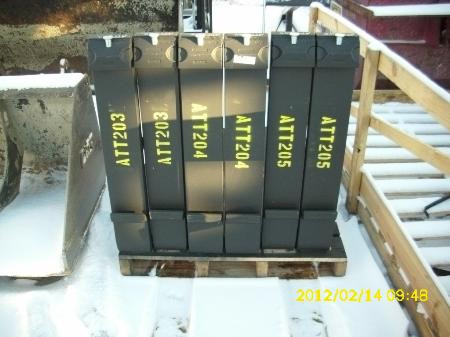
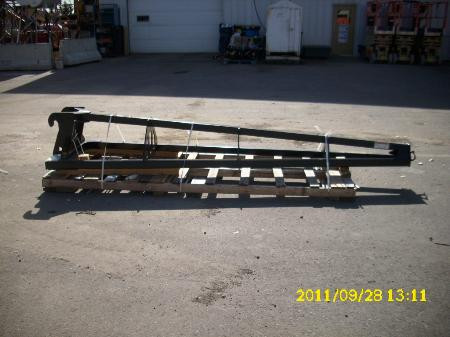
The fork extensions describe the forks on the forklift. These forks are able to be changed completely, or different parts can be added to them so the truck can raise a variety of different kinds of loads like for instance baskets, rollers, telescopic loads, amongst others.
Forklift Seals and Bearings
The bearings and seals are particular forklift components that enable the inner workings of the machine to run in an optimum and efficient way. Bearings allow two moving components of the machine to smoothly work together, without any friction. If not properly fitted, seals and bearings can occasionally break and wear down and these parts may have to be replaced occasionally. If a bearing is the proper kind of bearing for the machinery and it is fitted correctly, this specific lift truck part can easily outlive the life expectancy of the whole machinery.
Cabs
The forklift's cab is the part of the machinery where the operator sits and performs maneuvers. The cab may be open or it may have a roof, depending upon the specific model. On a work site, this lift truck component usually has a roof to lessen the risk of falling materials and comply with safety reasons.
Brake Forklift Parts
Lift trucks trucks have brakes which are required to be regularly tested in order to ensure they are in good working condition. Often, these components should be replaced because of extended wear or damage.
Wheels and Tires
The wheels and the tires are the forklift components which are most usually damaged. Problems happen due to slashes from uneven and rough floor boards and punctures from sharp objects on the floor.